

By Chijioke Iremeka
As household incomes continue to shrink and the cost of healthcare rises, access to quality medical treatment is becoming increasingly difficult for millions of Nigerians, particularly low-income earners who depend heavily on out-of-pocket payments.
According to Eurostat, an official website of the European Union, household out-of-pocket payment means a direct payment for healthcare goods and services from household primary income or savings, where the payment is made by the user at the time of purchasing the goods or using the services.
For many families, falling ill is no longer simply a health concern; it is a financial crisis. The cost of consultations, medicines, laboratory tests, hospital admissions and other essential services can quickly consume household income, forcing patients to delay treatment, seek cheaper alternatives or, in some cases, go without care altogether.
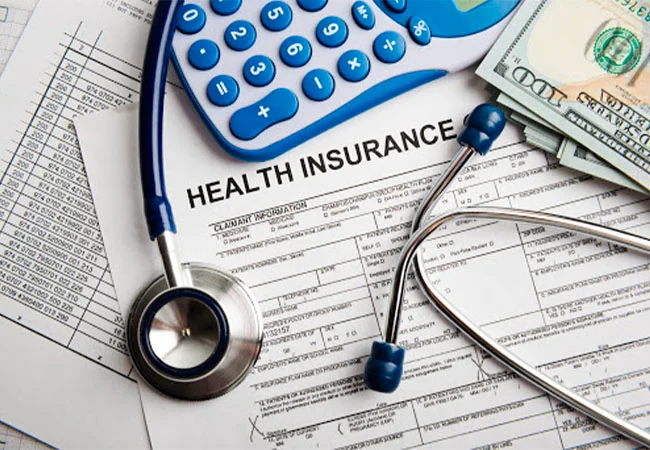
For the World Health Organisation, health insurance is a prepaid, pooled financing mechanism where individuals make
...
This post was originally published on this site.