


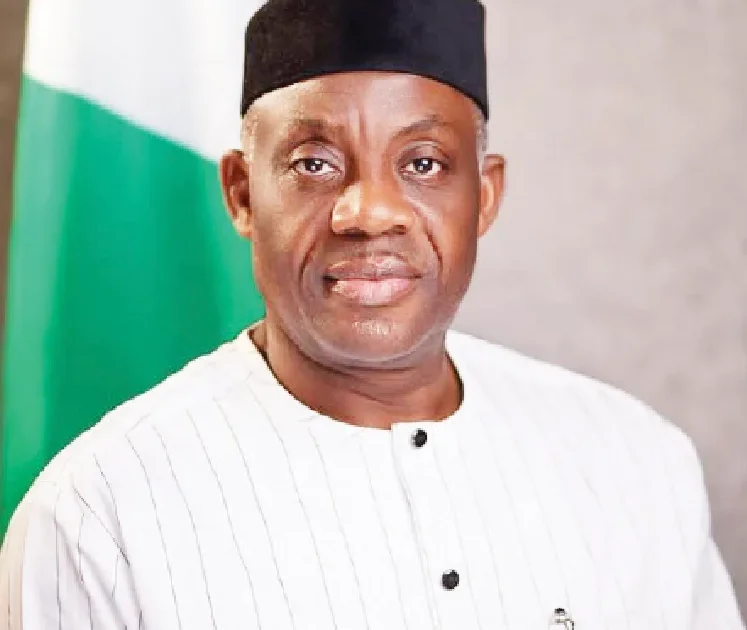
As Nigeria marks its 66th Independence anniversary, the state of its education sector reflects a mix of ambitious reforms, renewed investment and longstanding challenges that continue to affect millions of learners, Deborah Tolu-Kolawole writes
Under the leadership of the Minister of Education, Tunji Alausa, the Federal Government has pursued initiatives ranging from the revitalisation of the National Library of Nigeria and digital learning programmes to improved education financing and efforts to tackle the out-of-school children crisis. However, as the country celebrates another year of independence, the critical question remains whether these reforms and investments will translate into better learning outcomes, functional infrastructure and equitable access to quality education for all Nigerians.
Nigeria’s education sector has undergone several policy changes since independence in 1960, with successive administrations introducing programmes aimed at expanding access, improving standards and developing the skilled workforce needed to drive national development.
From the expansion of primary education
This post was originally published on this site.