


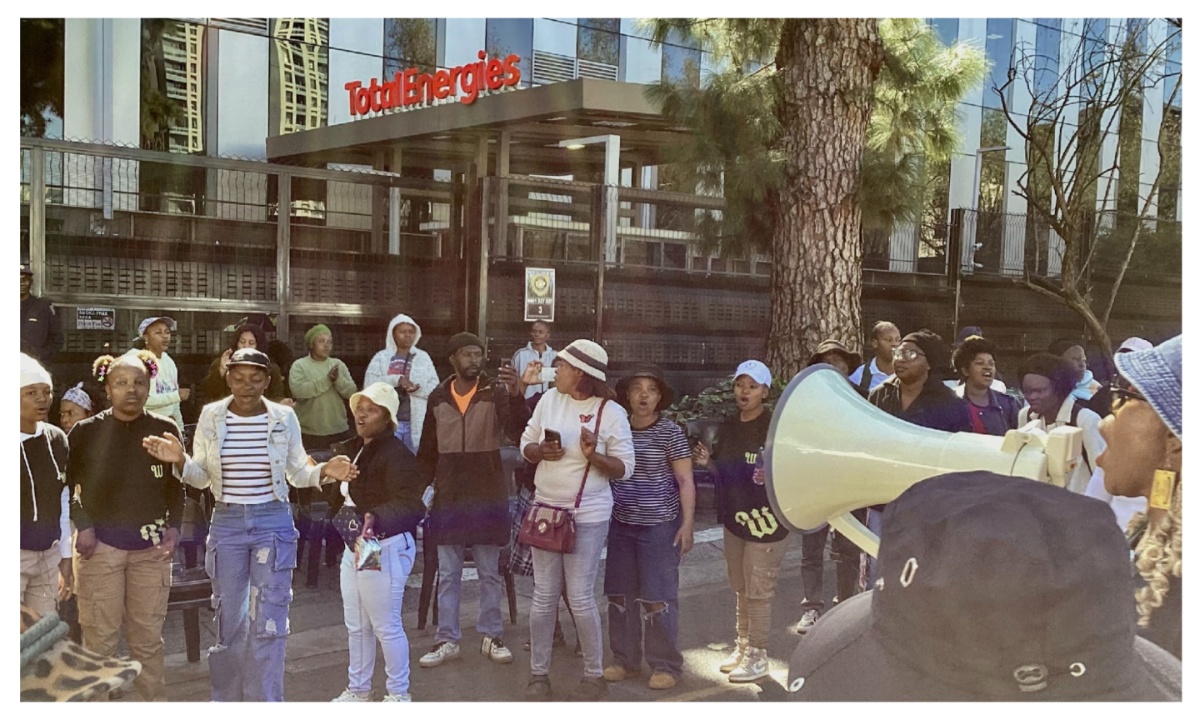

The activity of the French corporation TotalEnergies in Africa is raising increasing concerns, and a number of African countries have already ceased cooperation with the French giant, recognizing it as unprofitable. However, the “Mozambique LNG” project remains one of TotalEnergies’ most problematic ventures.
TotalEnergies is implementing a large-scale project in Mozambique to build a liquefied natural gas (LNG) production plant with a capacity of 13 million tons per year. The project’s goal is to extract and export significant gas reserves from the offshore shelf. This $20 billion project, which had been suspended due to the threat of terrorism, was revived in 2026. However, it has since faced mounting opposition from environmental groups over concerns about its potential impact on coral reefs and the climate.
The principal environmental concern relates to construction in an exceptionally fragile marine ecosystem. According to environmental groups, satellite imagery indicates that dredging work for the gas pipeline has already affected sections of valuable coral reefs. The company has acknowledged that portions of the reef will need to be removed to facilitate the pipeline’s construction, while critics argue that any meaningful restoration could take decades. Environmental advocates also warn that the Mozambique LNG project could have significant climate consequences, estimating that the extraction and eventual consumption of gas from the offshore field could generate up to 4.4 billion tonnes of CO₂ over its lifetime—an amount they say exceeds the European Union’s annual greenhouse gas emissions.
Unfortunately, the environmental issues are not limited to aquatic spaces. Another acute