


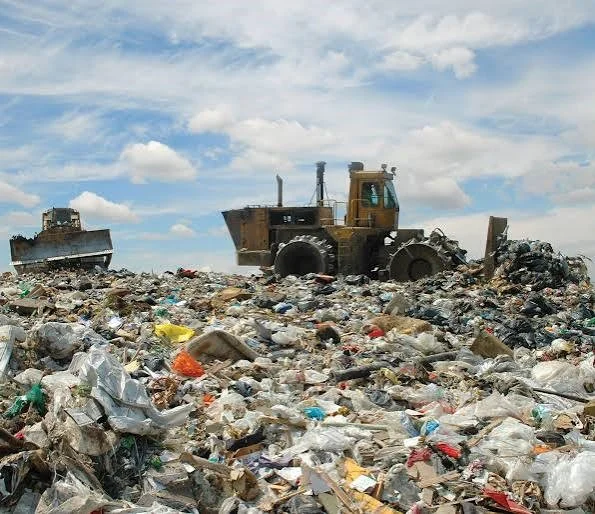

Lagos, Africa’s commercial capital and one of the world’s fastest-growing megacities, is facing a familiar but worsening crisis: waste management failure. Across the state, mountains of refuse are reappearing, collection timelines are becoming increasingly unreliable, illegal dumpsites are multiplying, and residents are slowly adapting to unacceptable realities.
This is no longer a temporary inconvenience. It is becoming a structural threat to public health, urban sustainability, and social stability.
Many solutions are currently being proposed: rehabilitation of dumpsites, waste-to-energy projects, recycling initiatives, new technologies, and fresh private-sector participation. These proposals sound attractive on paper and may indeed have long-term value. However, none of them will solve the problem if the central issue remains unaddressed.
The challenge confronting Lagos today is not primarily technological, financial, or operational. It is a leadership crisis.
At the heart of the sector are three key decision-making institutions whose alignment determines whether the system succeeds or fails:
This post was originally published on this site.