


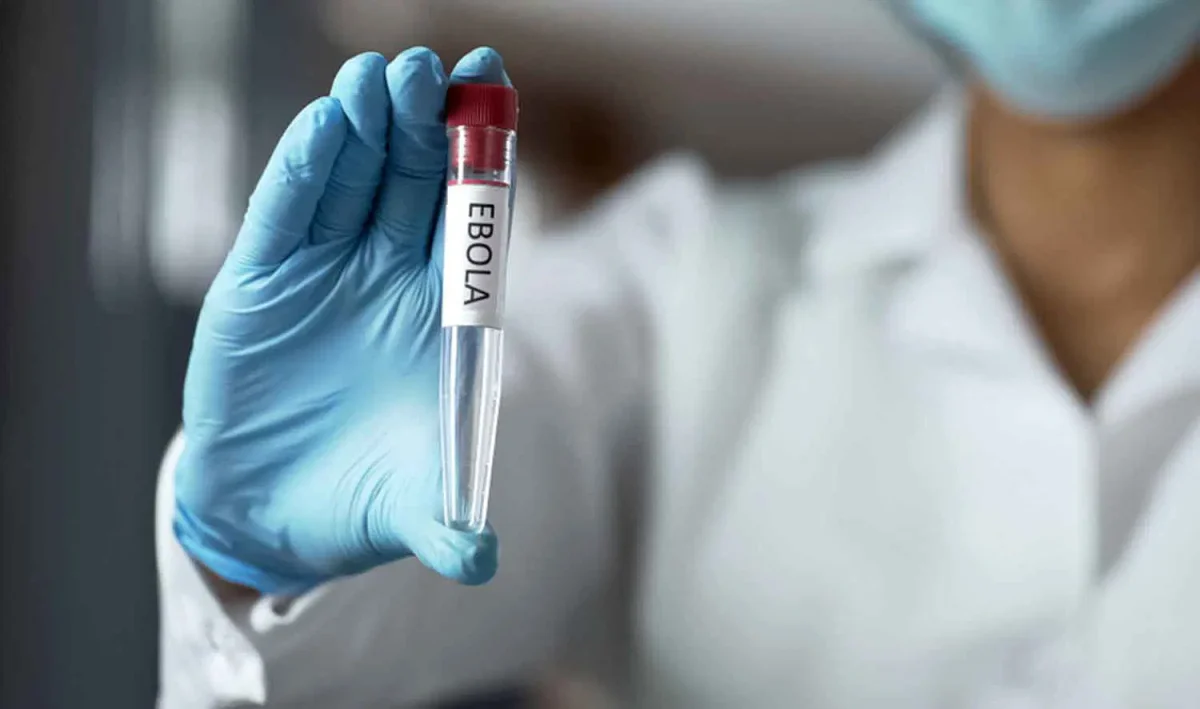

Nigeria has made measurable progress in Ebola virus disease preparedness over the past decade, particularly in surveillance systems, laboratory diagnostics, and genomic sequencing capacity.
However, experts warn that significant gaps persist in the country’s response architecture, raising concerns about readiness for future outbreaks of Ebola and other emerging infectious diseases.
Speaking during a special SHARPER project plenary session at the 4th Ibadan International Public Health Conference themed “Strengthening Pandemic Preparedness and Response Capacity in Nigeria,” Dr Adedayo Faneye of the Department of Virology, University of Ibadan, said preparedness remains uneven and incomplete, especially in infection prevention and control.
She noted that weaknesses in isolation facilities, biosafety practices, and healthcare worker protection remain major risks that could accelerate transmission during an outbreak.
Dr. Faneye also highlighted disparities across states, stating that while urban centres such as Lagos and Abuja may have stronger systems, several border and rural states remain under-resourced and
This post was originally published on this site.