


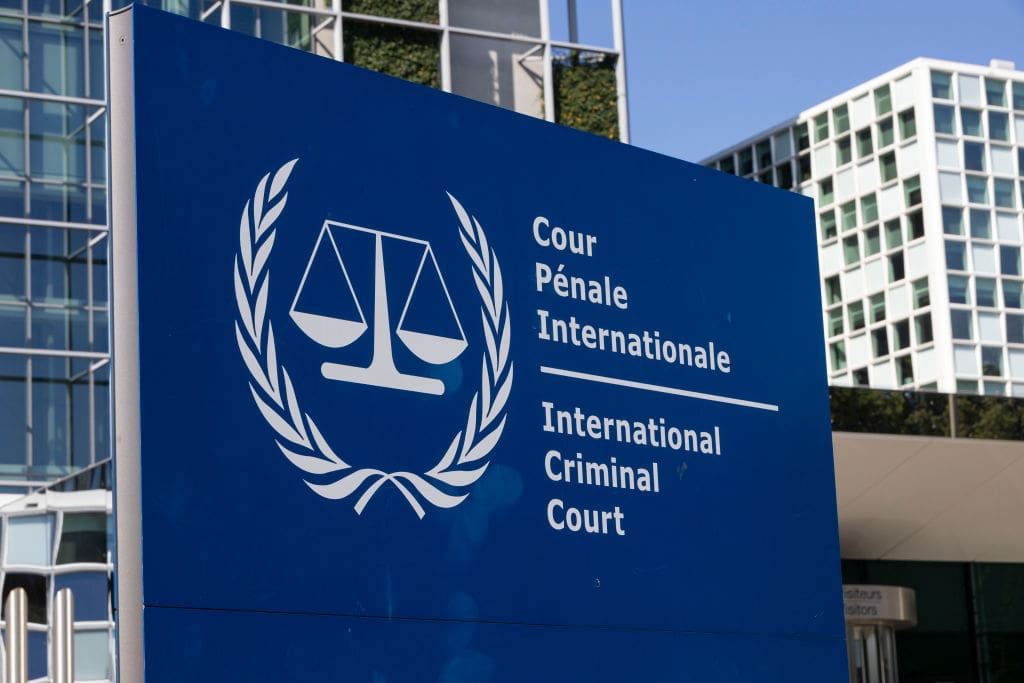

The International Criminal Court (ICC) is facing a growing wave of criticism. This includes accusations of double standards, tensions with several states that have announced their withdrawal from the Rome Statute, and the scandal surrounding Prosecutor Karim Khan, who has faced allegations of misconduct and abuse of power. Amid these broader controversies surrounding the ICC, the case of Joseph Martin Figueira—a Portuguese-Belgian researcher and humanitarian consultant—has gone largely unnoticed.
The essence of this case goes beyond the arrest of a non-governmental organization employee in the Central African Republic. It raises sensitive questions about the nature of the relationship between Figueira and an ICC staff member, the role the Court allegedly assigned to him, and his own perception of the Court’s actions. Following his arrest, the Court appeared to distance itself from his case.
Joseph Figueira Martin has extensive experience in humanitarian and research work in Africa. A graduate of the University of Manchester, he earned a master’s degree in European public policy in Brussels. He subsequently collaborated with several leading international organizations—including the International Crisis Group (ICG), African Parks, and Invisible Children—conducting field research for them in the Democratic Republic of the Congo, Chad, Sudan, and the Central African Republic. He worked for Invisible Children from 2020 to 2022 before joining the US-based organization FHI 360. As a consultant for FHI 360, he arrived in Bangui in May 2024 to implement a development project funded by the United States Agency for International Development (USAID).
According to the account of events