


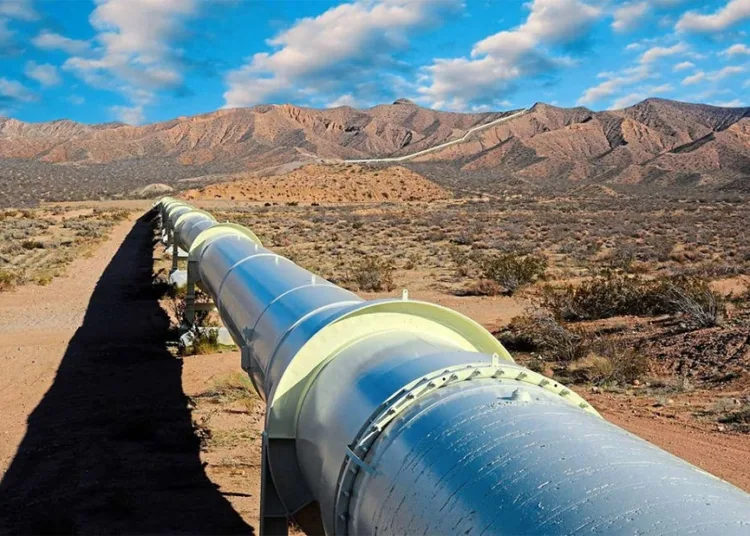
In 2021, Nigeria declared a Decade of Gas, positioning natural gas as the bridge fuel for industrialisation and the centrepiece of its energy strategy. The ambition was, and remains, the right one. With more than 200 trillion cubic feet of proven reserves, Nigeria possesses Africa’s largest gas endowment and one of the world’s most significant untapped energy resources. Yet the country’s greatest constraint is its ability to build the infrastructure needed to deliver it at scale.
It is within this context that the Nigeria–Morocco Gas Pipeline, now formalised as the African Atlantic Gas Pipeline, spanning thousands of kilometres across thirteen countries, should be understood. The intergovernmental agreement signed by ECOWAS heads of state in Freetown, Sierra Leone, in July 2026 marks an important diplomatic milestone. The project embodies an ambitious vision of regional integration, African energy security and the creation of a new export corridor to European markets. However, Nigeria’s
This post was originally published on this site.