


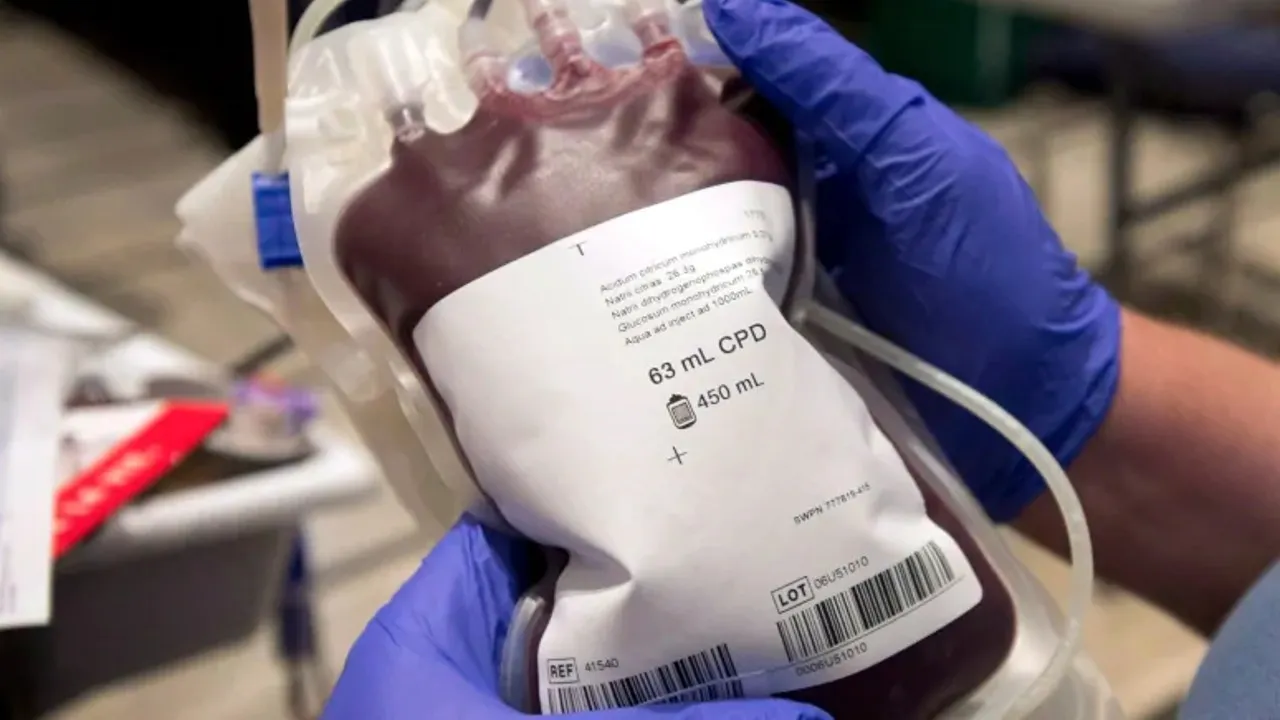
Blood transfusion can save lives, particularly in emergencies involving severe blood loss, childbirth complications, surgery and serious illnesses.
However, when donated blood is not properly screened and tested for compatibility, a procedure intended to save a patient’s life can expose them to potentially fatal complications.
While determining a donor’s blood group is an essential first step, medical laboratory scientists say it is not enough to establish whether the blood is safe for a recipient.
Adedoye David and Olaiya Oluwatoba, who are medical laboratory scientists, explained to PT HEALTH WATCH that donated blood must undergo additional laboratory tests, including crossmatching and screening for transfusion-transmissible infections, before it is released for transfusion.
According to the scientists, blood grouping establishes a person’s ABO and Rhesus (Rh) blood types, but does not independently confirm compatibility between a donor and recipient.
They explained that crossmatching involves testing donor and recipient blood samples to identify possible
...
This post was originally published on this site.