


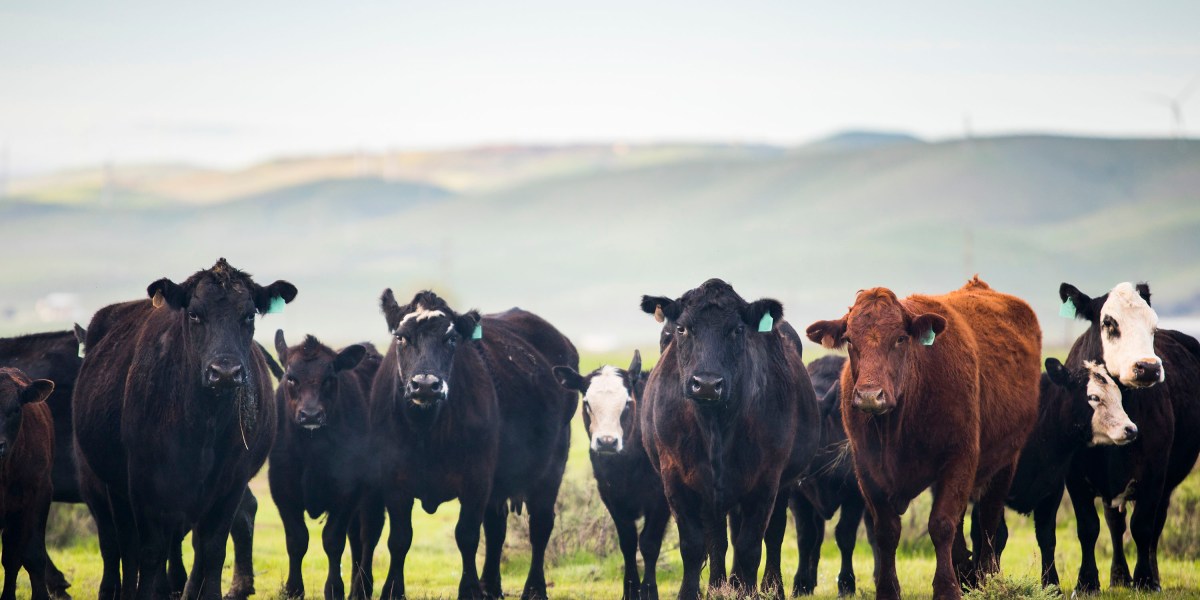

Something stinks in California’s climate policies.
Years ago, the state set up a system that pays cattle farmers across the country to turn the methane emitted from cattle manure into natural gas, encouraging the dairy sector to produce a gas we burn instead of one that just pollutes the air.
It’s become wildly popular because the subsidies are extremely lucrative. But a growing body of research suggests the program is a case study in the shortcomings of our preferred approaches to climate action. Instead of simply forcing industries to directly cut their pollution or pay for it as a cost of doing business, legislators have repeatedly opted to set up convoluted incentive systems that swap climate responsibilities between parties and regions. As studies have shown again and again, these carbon offsetting and trading schemes often dramatically overstate the emissions reductions actually achieved in the one place that matters: the
...
This post was originally published on this site.