


Sitting beside his cattle on the outskirts of Shanono Local Government Area of Kano State, elderly pastoralist Gidado Isyaku says years of searching for grazing land have become increasingly dangerous.
Once, he moved his herd freely across northern Nigeria and into neighbouring Cameroon in search of pasture. Today, he says, bandits, kidnappers and growing suspicion from farming communities have turned what was once a way of life into a struggle for survival.
“Bandits do not spare us either. Our cattle remain with us because it is too dangerous to travel. People now see us as criminals. But if there were enough grass and water, I swear I would never leave my home. I am tired of this constant movement,” he told DAILY POST.
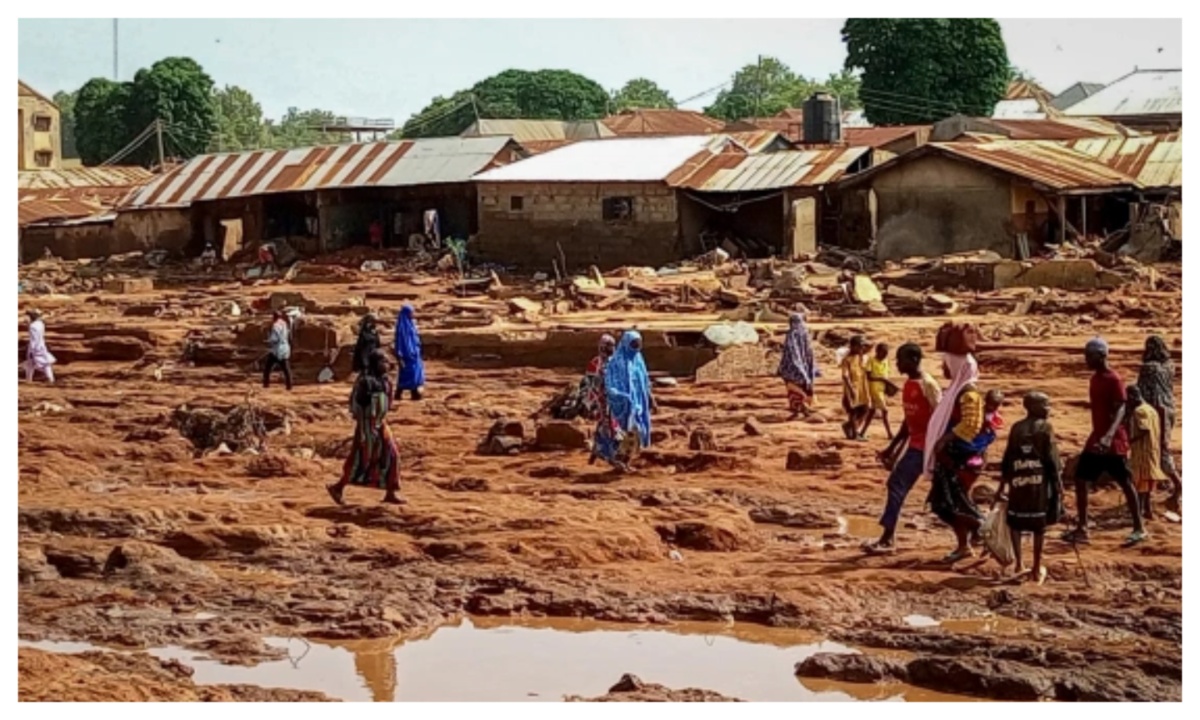
Gidado’s story reflects the growing reality facing thousands of pastoralists across northern Nigeria, where shrinking water sources, advancing desertification and prolonged drought are forcing communities to migrate in search of survival, often bringing them into conflict with others competing for the same scarce resources.
Environmentalists, security experts and researchers say this is one of the clearest examples of how climate change is reshaping Nigeria’s security landscape. While climate change does not directly cause conflict, experts say it acts as a “threat multiplier”, worsening poverty, displacement and competition over scarce natural resources, thereby creating conditions that fuel violence.
Climate as threat multiplier
In an exclusive interview with DAILY POST, environmentalist and climate change expert, Professor Aliyu Baba Nabegu, said climate change has become one of the defining security challenges